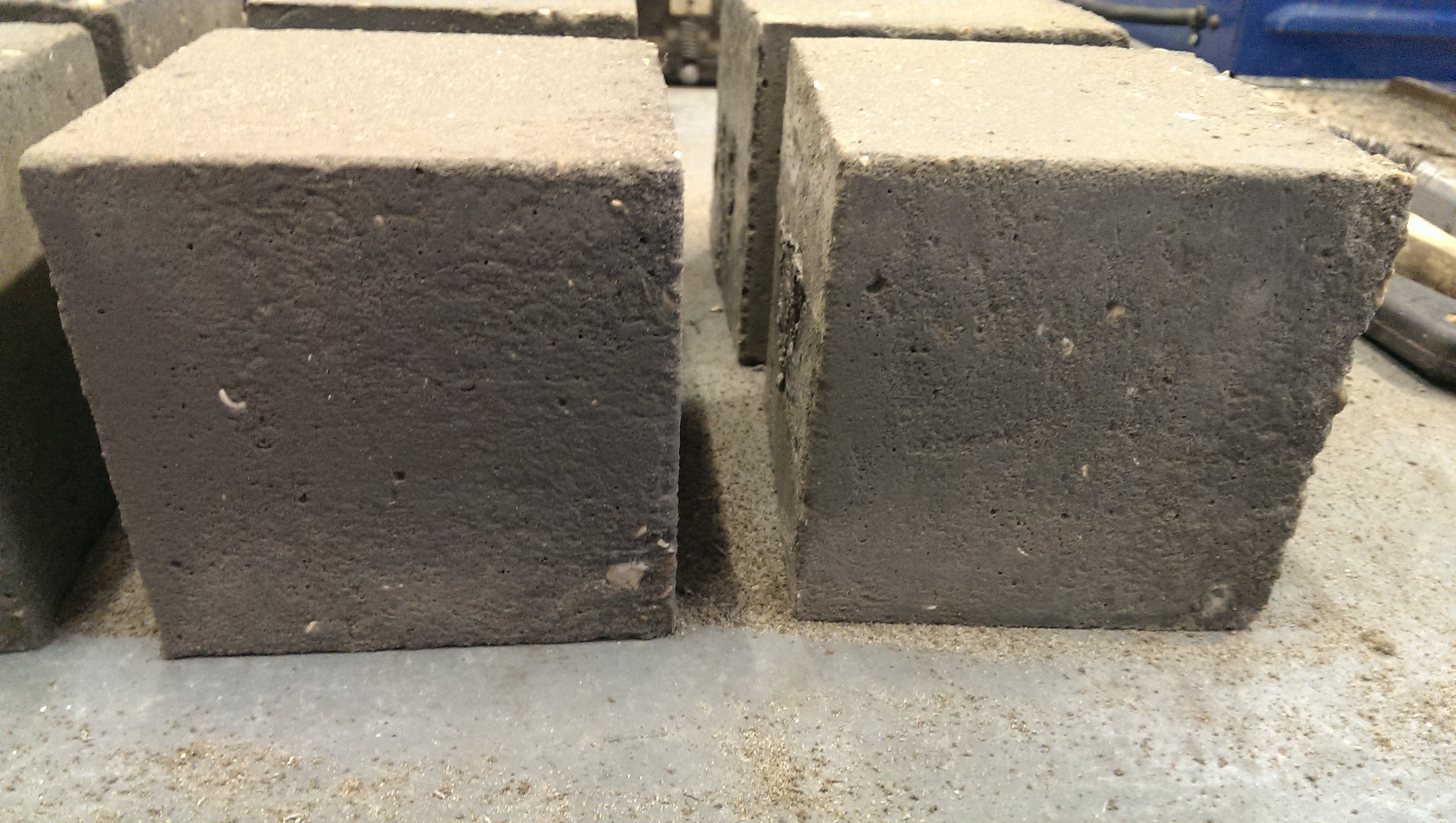
Is ordinary concrete that contains controlled amounts of air in the form of microscopic bubbles.
Example: Furthermore, an air content check should be performed after any post-batching addition to an air-entrained concrete mixture.
en: Concreto aireado.
Architectural concrete.
Adjective+Noun.
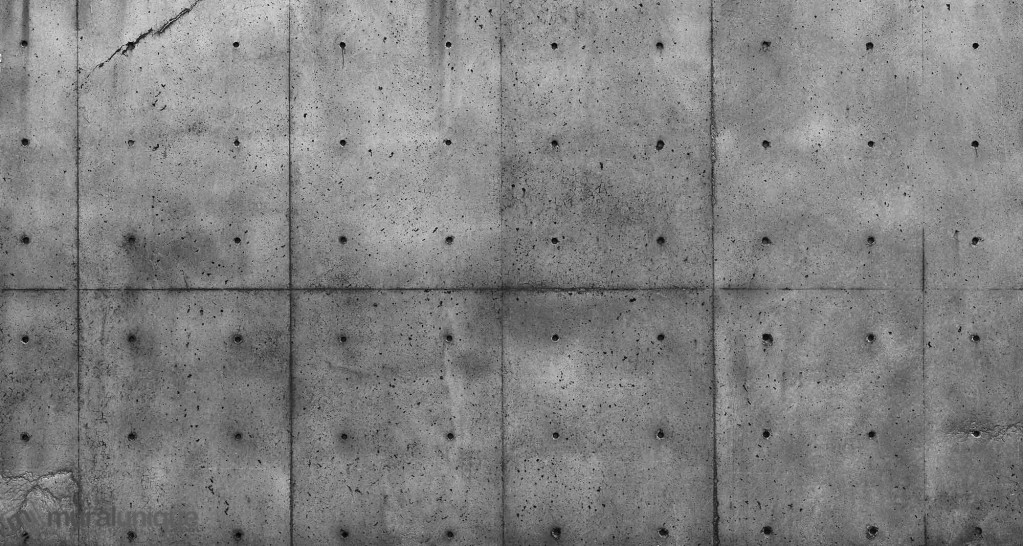
Architectural concrete is concrete that will be permanently exposed to view and therefore requires special care in selection of the concrete materials, forming, placing, and finishing to obtain the desired architectural appearance.
Example: Architectural concrete technology was used in most of the project.
en: Concreto arquitectónico.
Asphaltic concrete.
Adjective+Noun
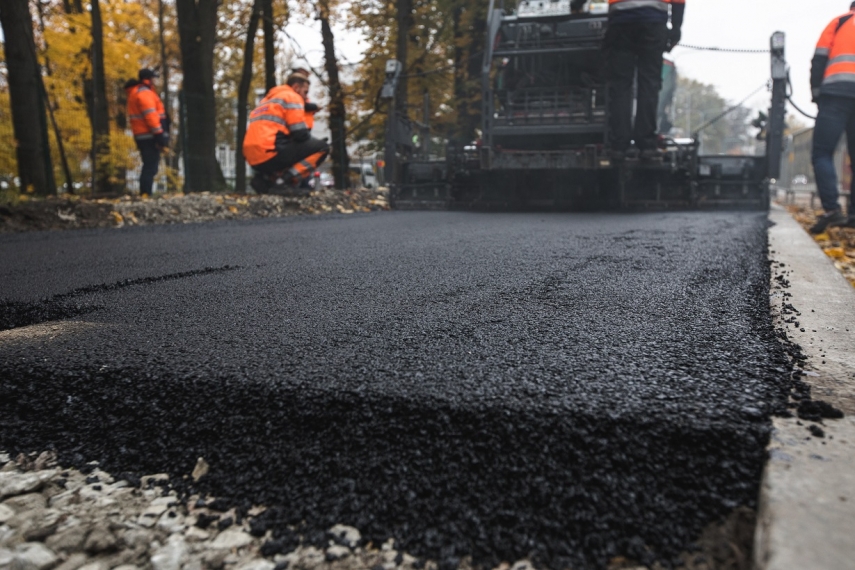
Is a composite material commonly used in construction of roads, highways, airports, parking lots, and many other types of pavement.
Example: Asphaltic concrete is used on highly trafficked roads and soft asphaltic concrete on roads with less traffic.
en: Concreto asfáltico.
Cellular concrete.
Adjective+Noun
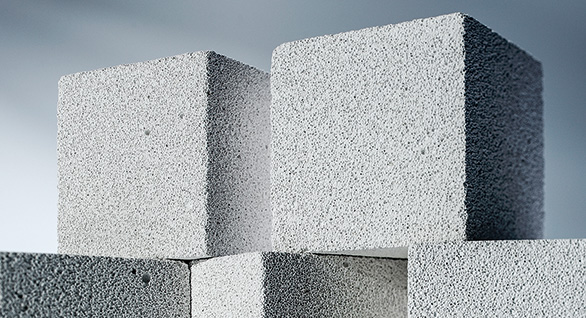
Is a mixture of cement, water, and preformed foam
Example: The expansion and the contraction of light weight cellular concrete/cements due to thermal changes is very limited.
en: Concreto celular.
Colored concrete.
Adjective+Noun
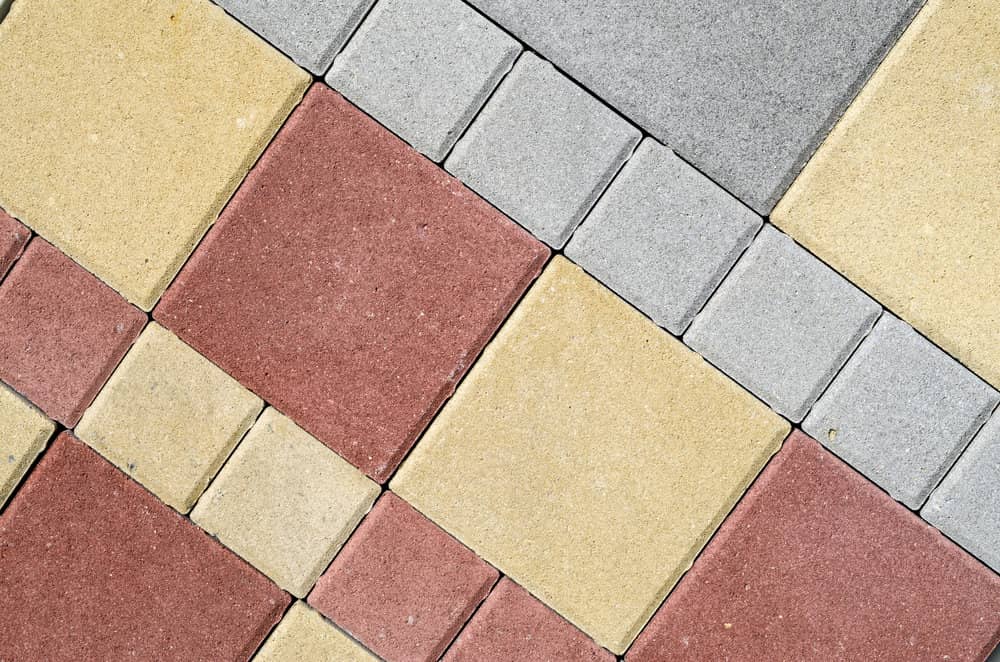
Colored concrete, also known as decorative concrete, allows traditional grey concrete to be stained and dyed different colors.
Example: Wagman manufactures a full line of poly plastic blades for use on colored concrete.
en: Concreto coloreado.
Cured concrete.
Adjective+Noun
The process by which cement concrete hardens over time as a result of continuous hydration of cement in the presence of sufficient amounts of water and heat.
Example: Figure 3 shows the cured concrete floor and concrete block with mortar walls.
en: Concreto curado.
Exposed concrete.
Adjective+Noun
Concrete whose surface is a visible part of the architectural and interior design of the building.
Example: The structure (the bearing walls, the columns and the floors) are made of exposed concrete and covered with phenolic boards.
en: Concreto expuesto/aparente.
Green concrete.
Adjective+Noun
Is defined as a concrete which uses waste material as at least one of its components, or its production process does not lead to environmental destruction, or it has high performance and life cycle sustainability.
Example: The result is green concrete, with enhanced concrete durability.
en: Concreto verde.
Insulating concrete.
Adjective+Noun
Is a building system that uses lightweight formwork (made from an insulating material) to support concrete walls whilst they are being cast in-situ and which is then left in place as insulation.
Example: The blocks are perforated and filled with insulating concrete
en: Concreto aislante.
Porous concrete.
Adjective+Noun
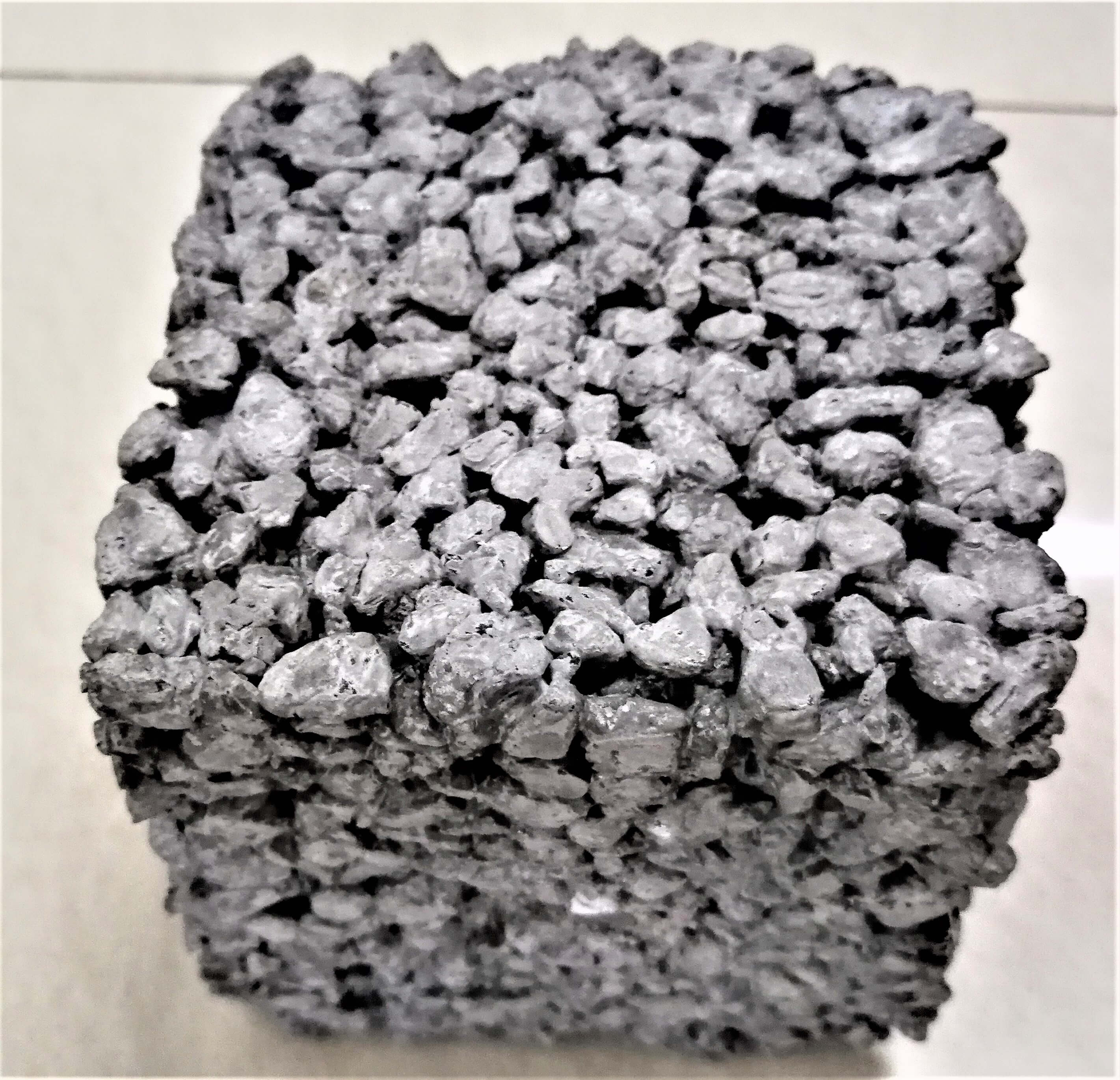
Porous concrete consists of a mix including Portland cement, uniform open-graded coarse aggregate, and water. The void space of porous concrete ranges between 15% and 22%, compared to a three to five percent void space in conventional concrete. The concrete itself provides for some pretreatment of runoff.
Example: Porous concrete allows rainwater to filter through, reducing flooding, helping to prevent skidding on wet roads.
en: Concreto poroso.
Precast concrete.
Adjective+Noun
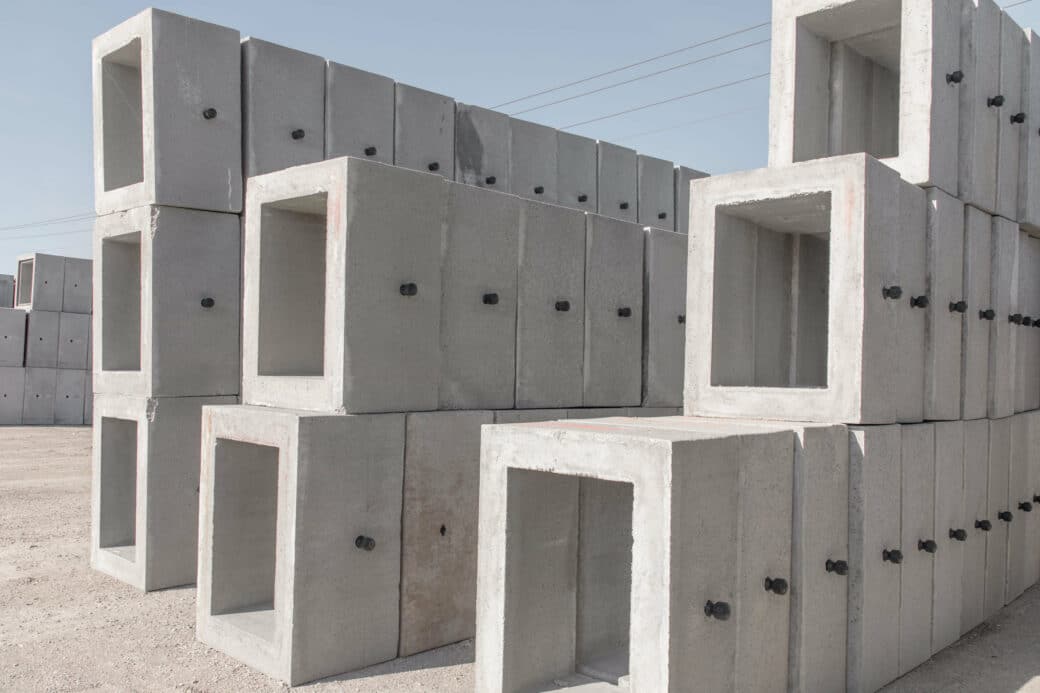
Is a form of concrete that is prepared, cast and cured off-site, usually in a controlled factory environment, using reusable moulds.
Example: The deck is made of precast concrete segments.
en: Concreto prefabricado.
Prestressed concrete.
Adjective+Noun
Is a system devised to provide sufficient precompression in the concrete beam by tensioned steel wires, cables, or rods.
Example: Prestressed-concrete sleepers can also be produced and delivered quickly and in great numbers.
en: Concreto pretensado.
Reinforced concrete.
Adjective+Noun
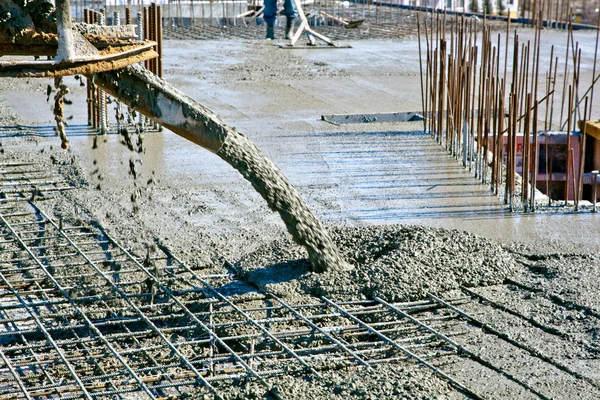
Concrete in which steel is embedded in such a manner that the two materials act together in resisting forces.
Example: A registered professional should undertake the design of a reinforced concrete frame building.
en: Concreto reforzado.
Unreinforced concrete.
Adjective+Noun
Unreinforced concrete simply means that it doesn’t have any steel reinforcement (rebar, welded wire fabric, or post-tensioning).
Example: The floor of the septic box is typically made of unreinforced concrete thick enough to withstand uplift pressure when the tank is empty.
.jpg)